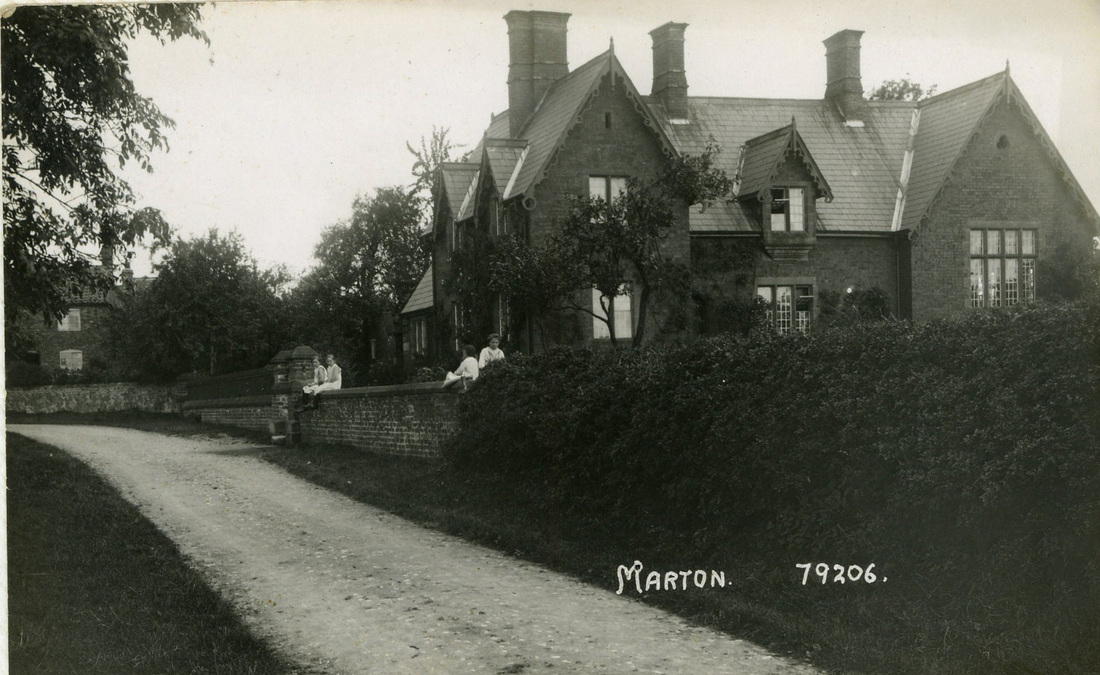
Marton School
A shot of Marton School with some pupils sitting on the wall.
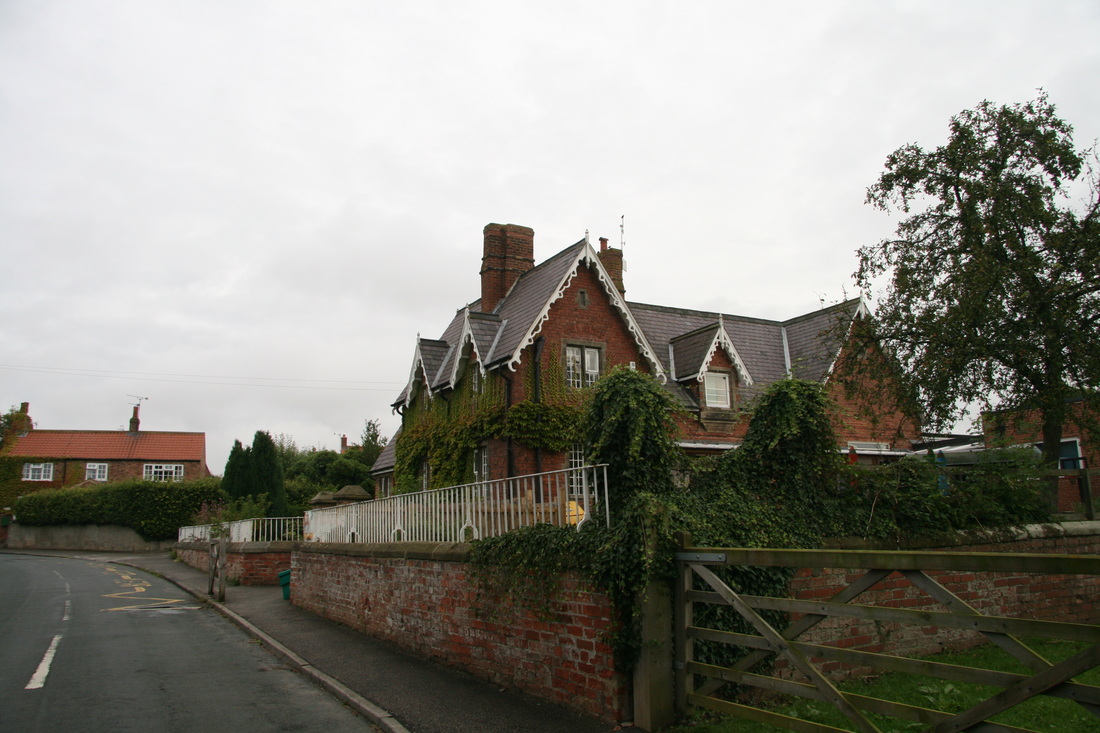
The same scene today
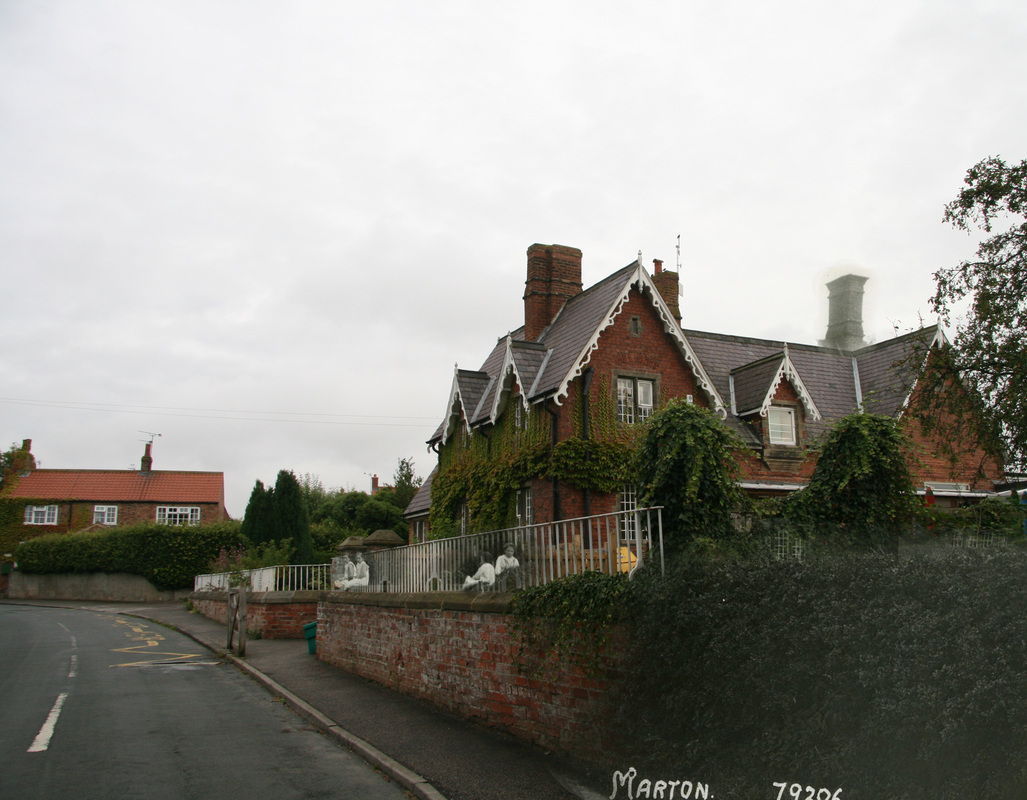
The two merged bring the old pupils back, and replaces that lost chimney
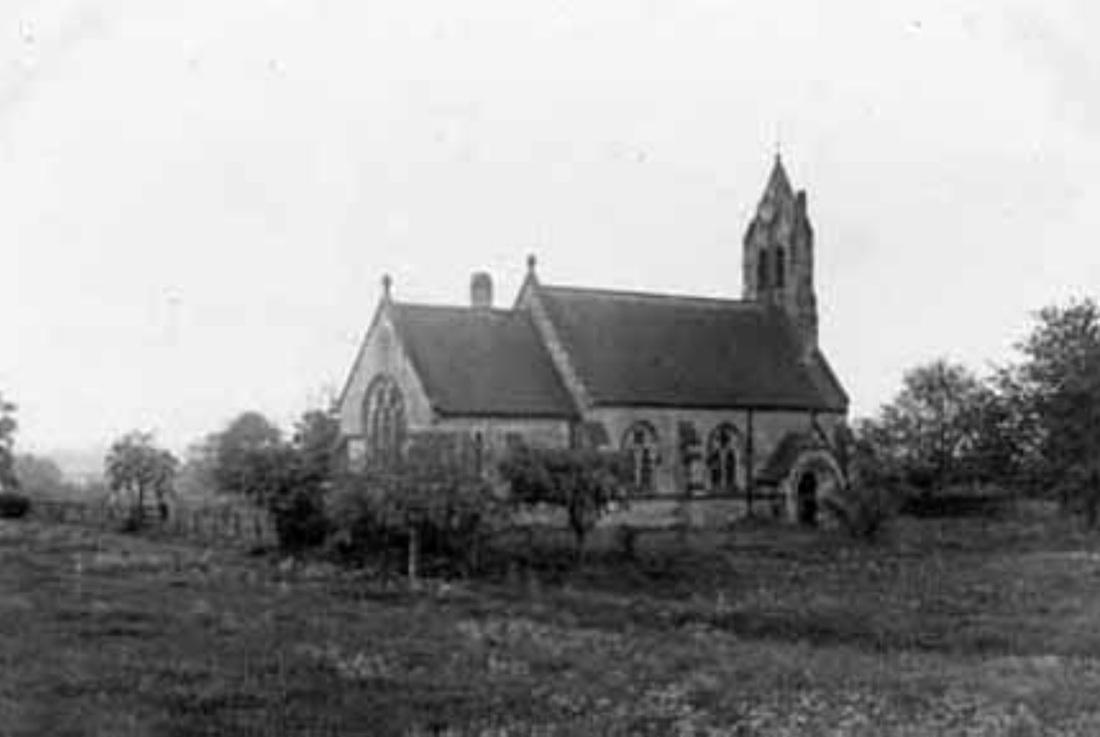
Next the Church in Marton.
Built in 1873 the picture is from just after the end of the First World War, about 1920
The same scene today
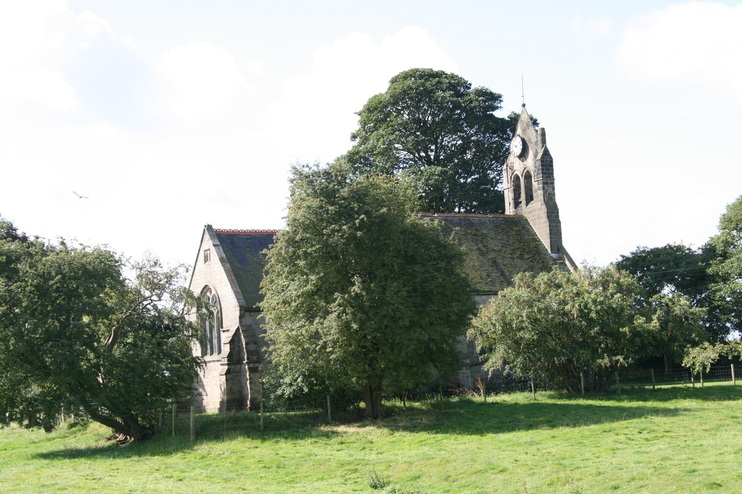
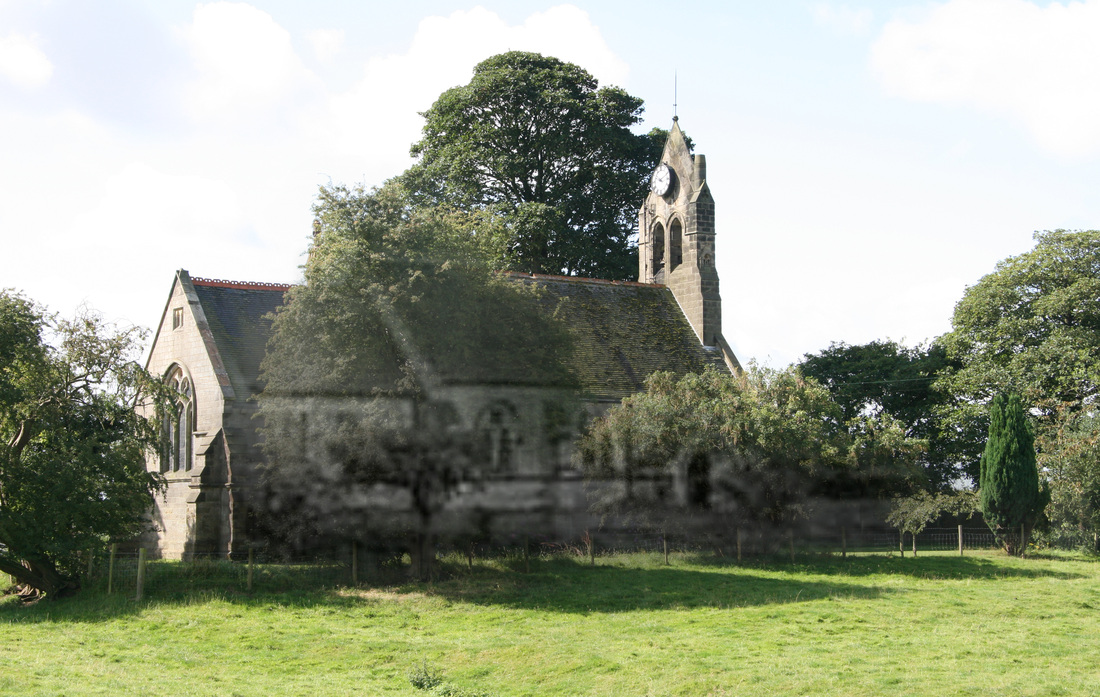
Nothing much has changed, although the trees have grown a fair bit
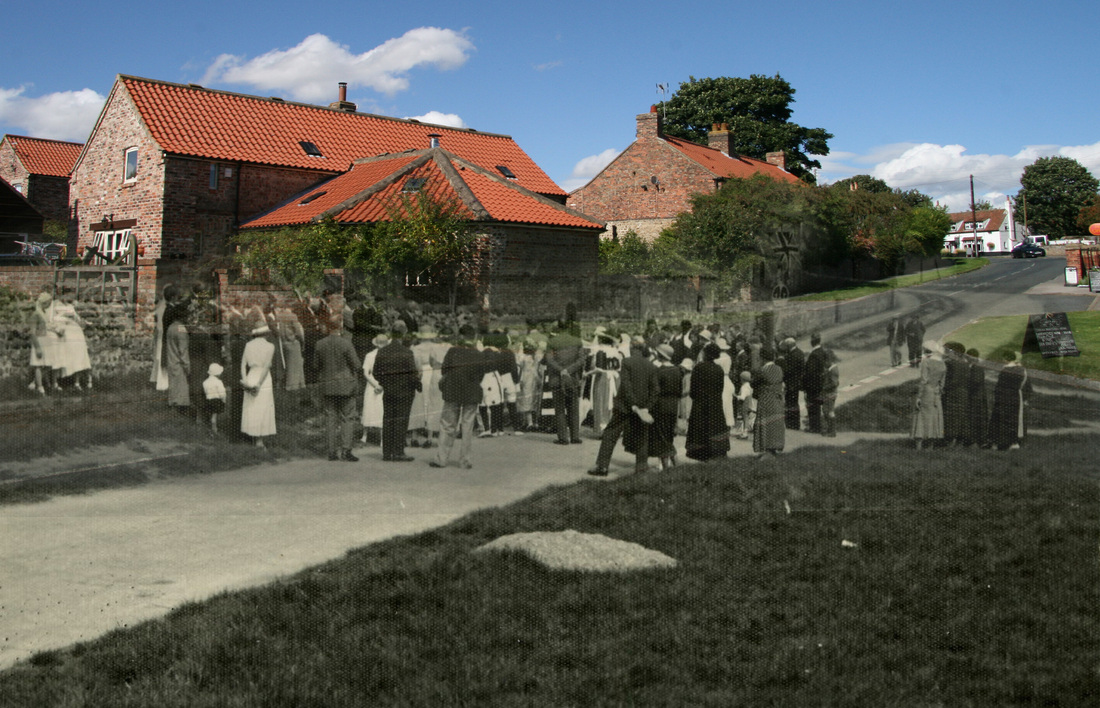
1937, The Coronation of King George VI, Marton
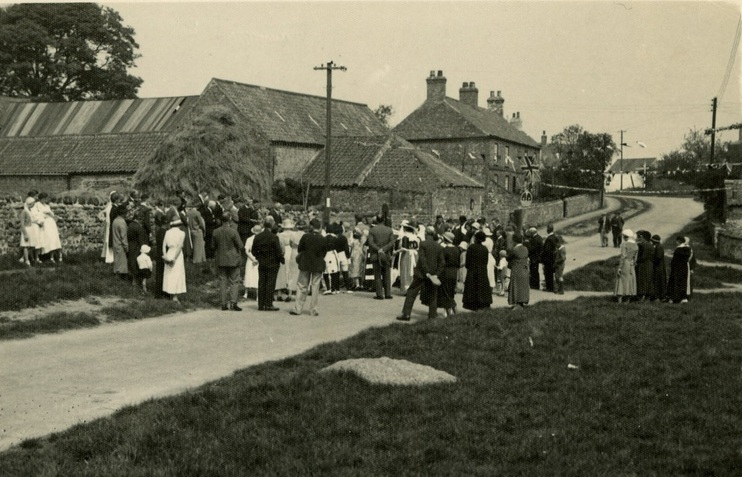
The same view 2014
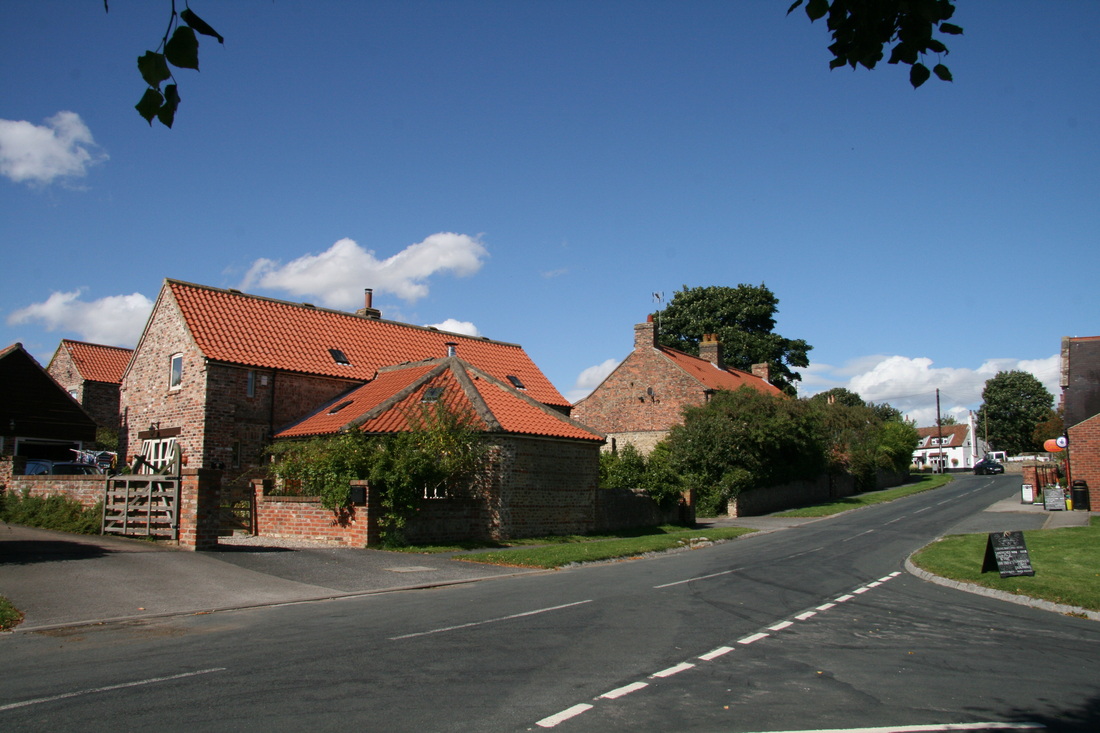
Relatively few changes, although the old farm buildings are now houses
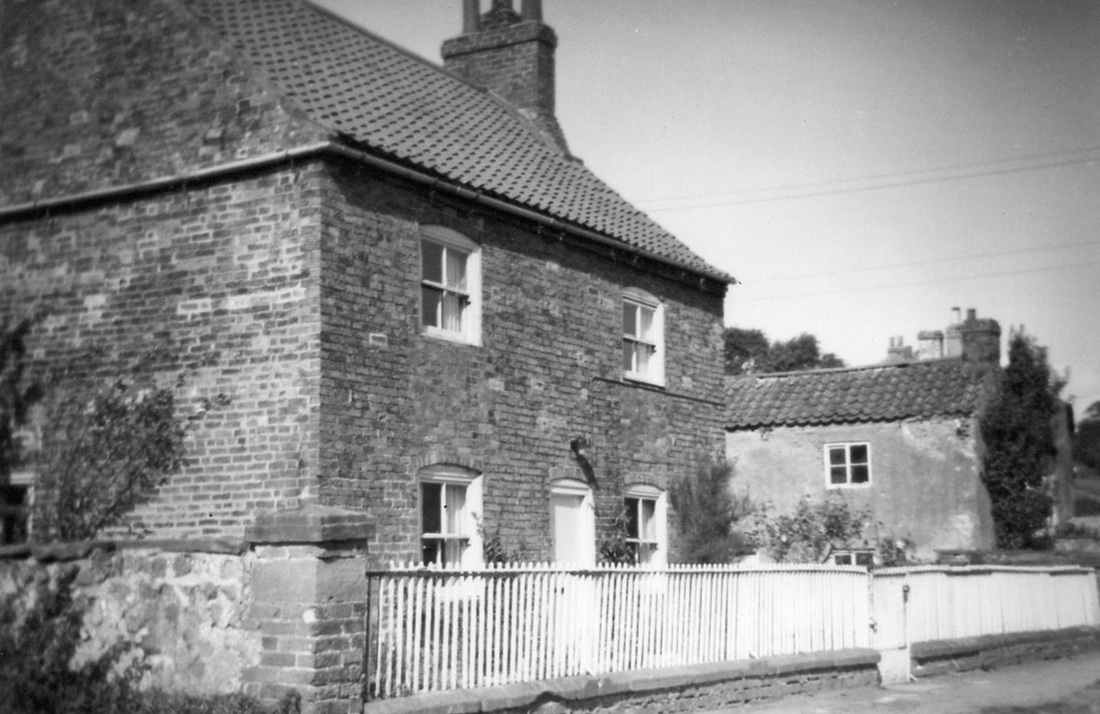
Low Garth, Marton
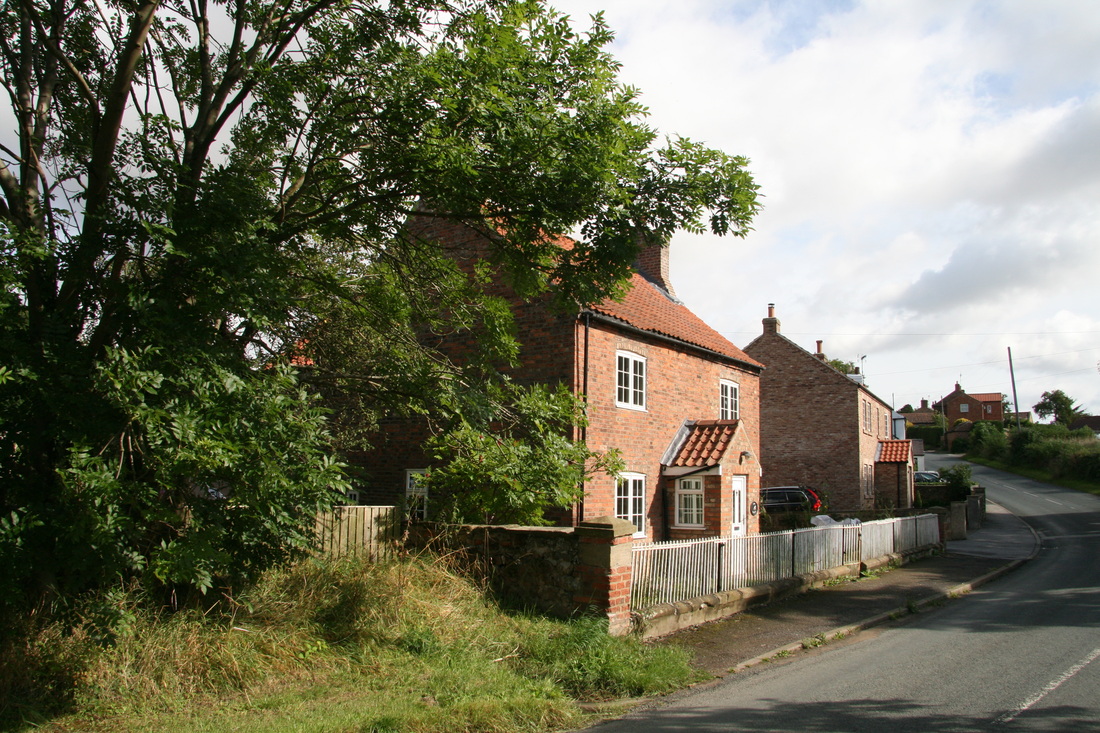
Todays View
Although Low Garth is little changed, the cottage next door is long gone
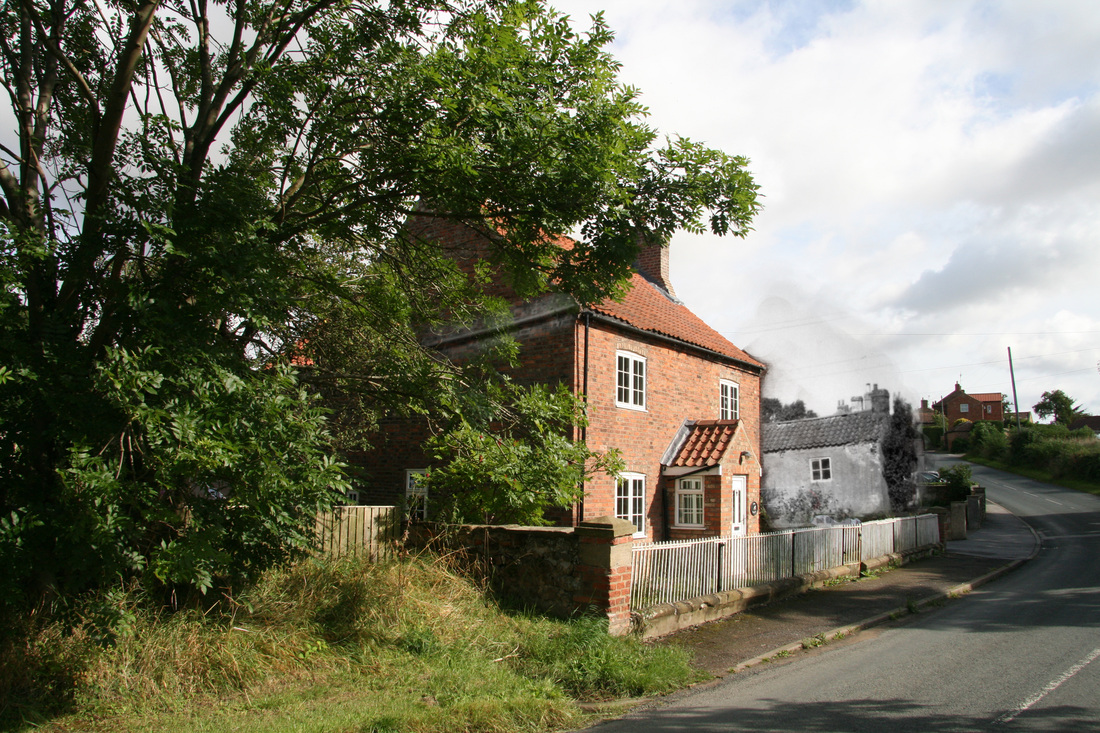
Mountain Ash and the Village Shop
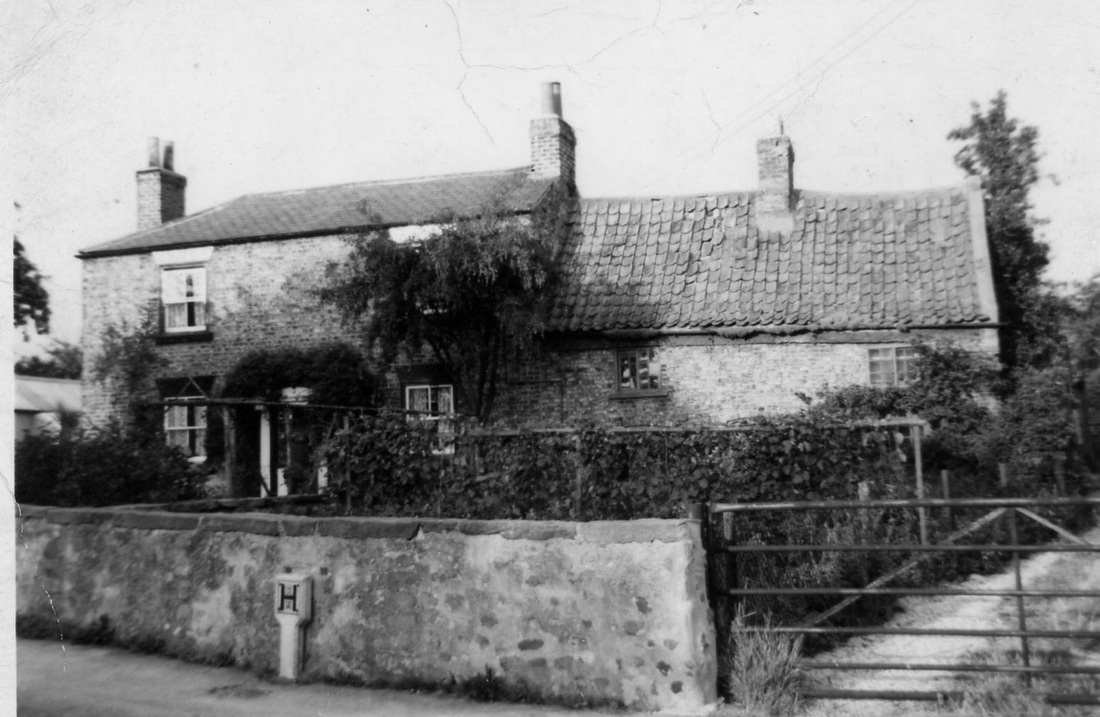
Todays view, the shop is gone
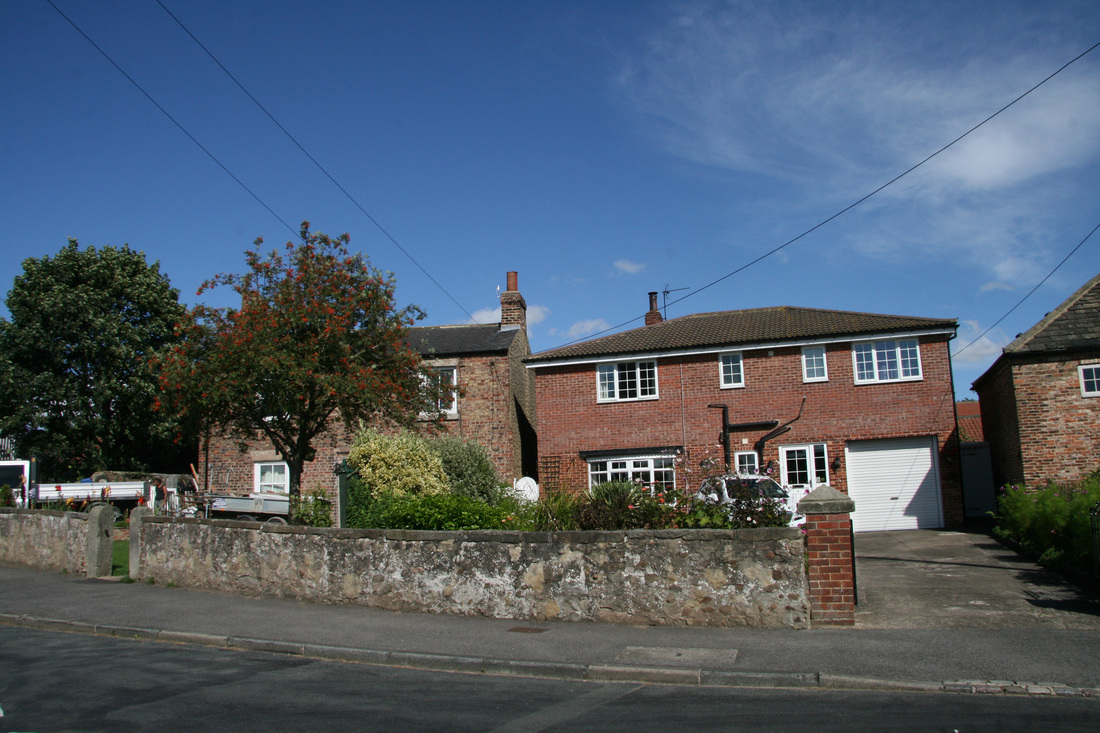
Bringing it back.............
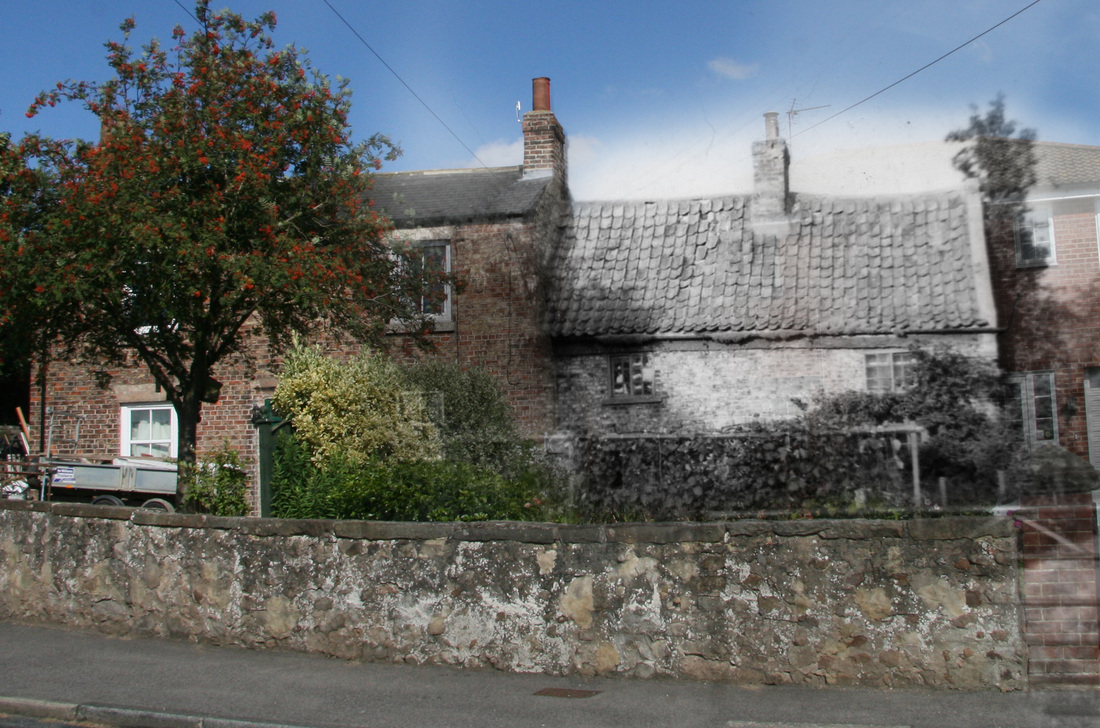
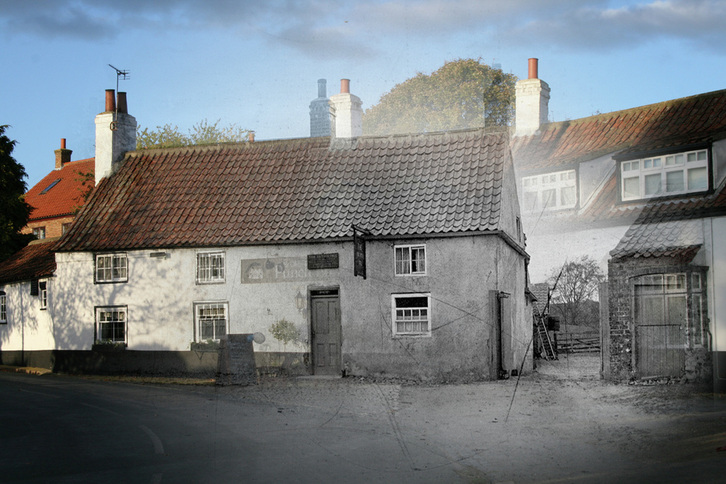
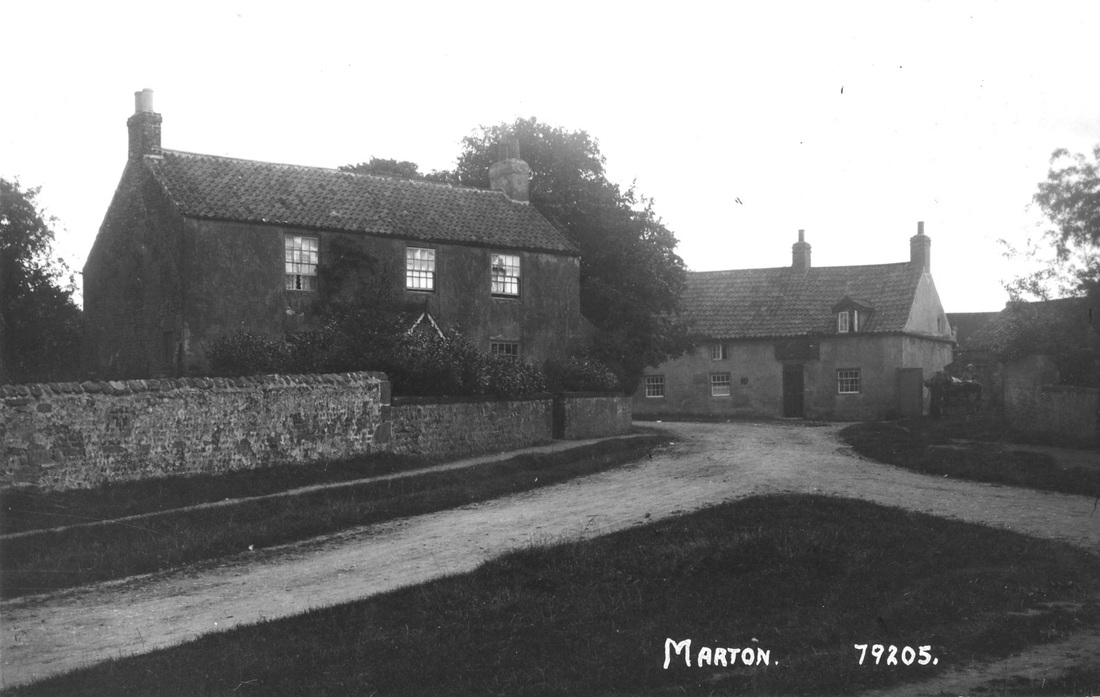
The Heights and the Punchbowl
2014 view
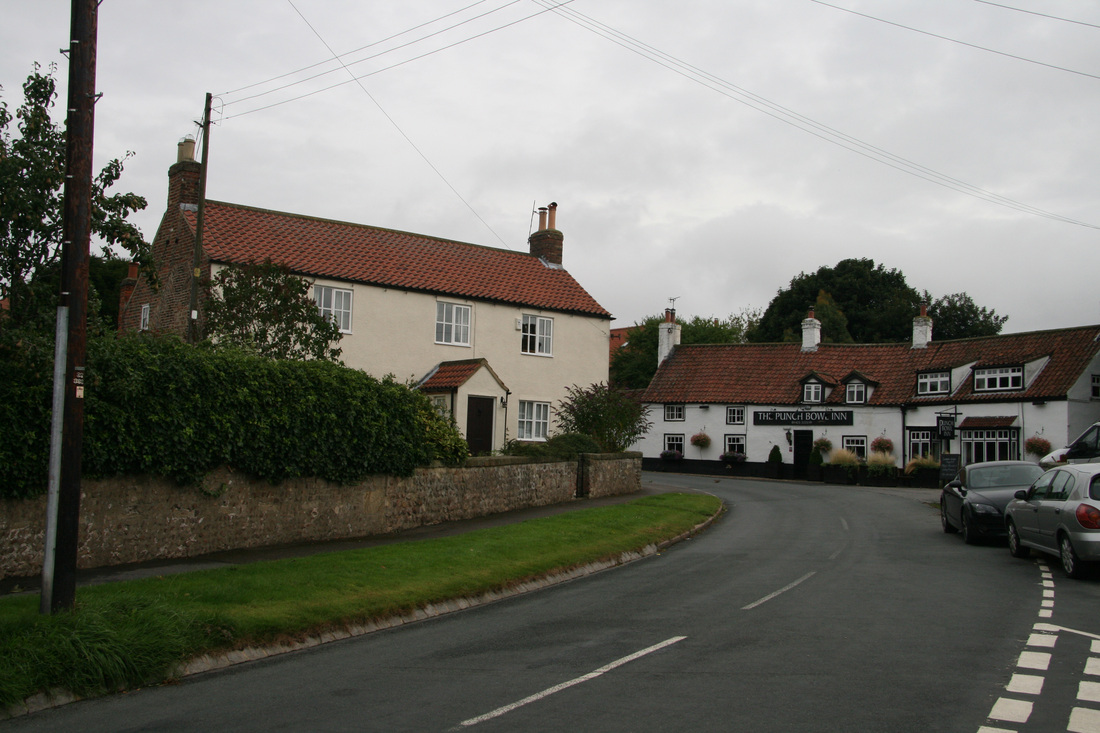
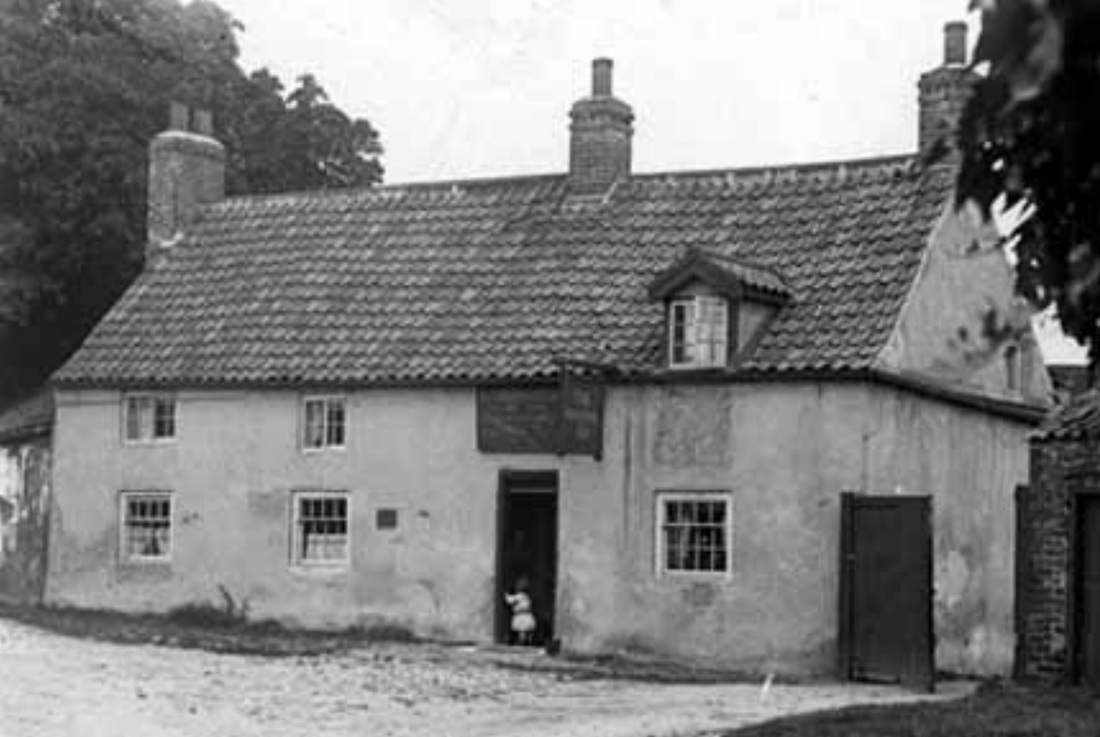
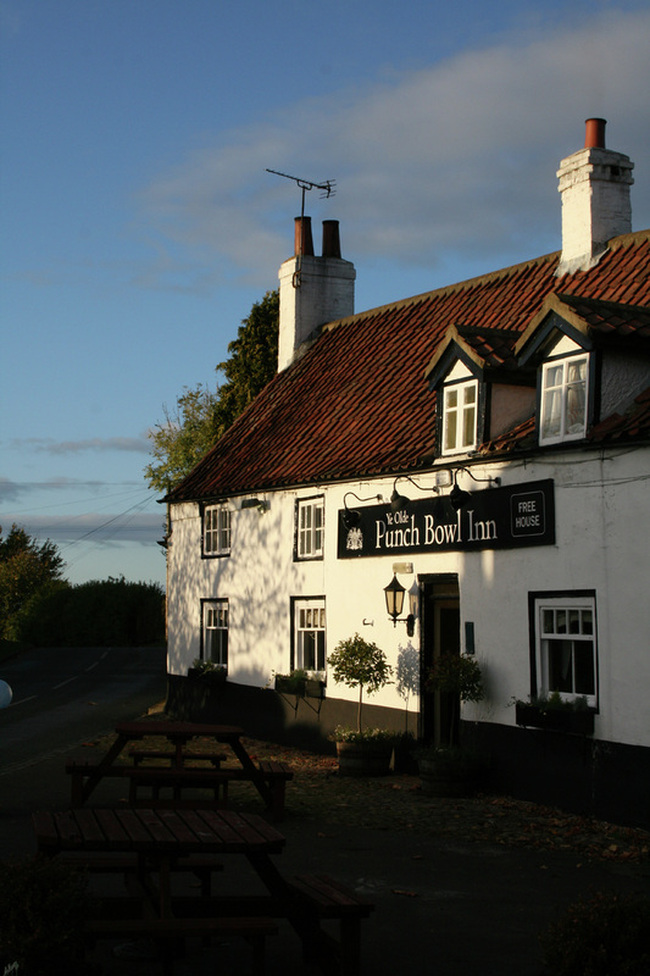
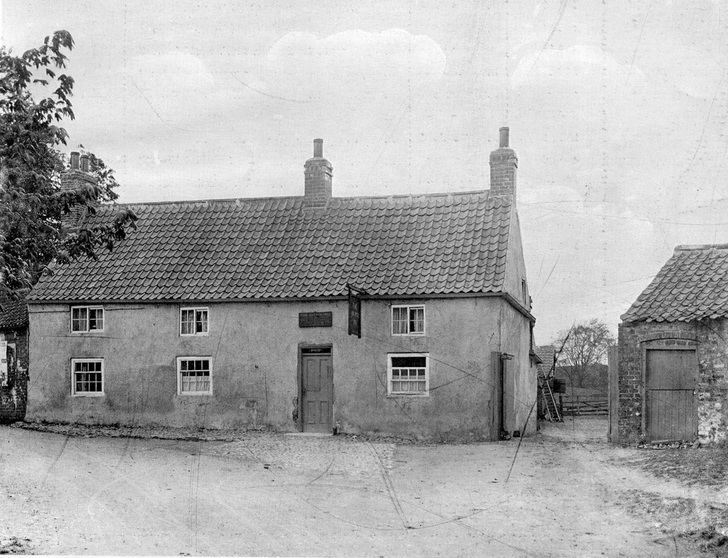
Although the Heights is little changed, the Punch Bowl clearly shows that much of the building isn't as old as one would suppose. Also note that both the 1st floor dormer windows have been inserted, although only one was in place when this shot was taken. Originally the 1st floor window at this point was below the right hand dormer, as shown in the 4th shot of this series, below
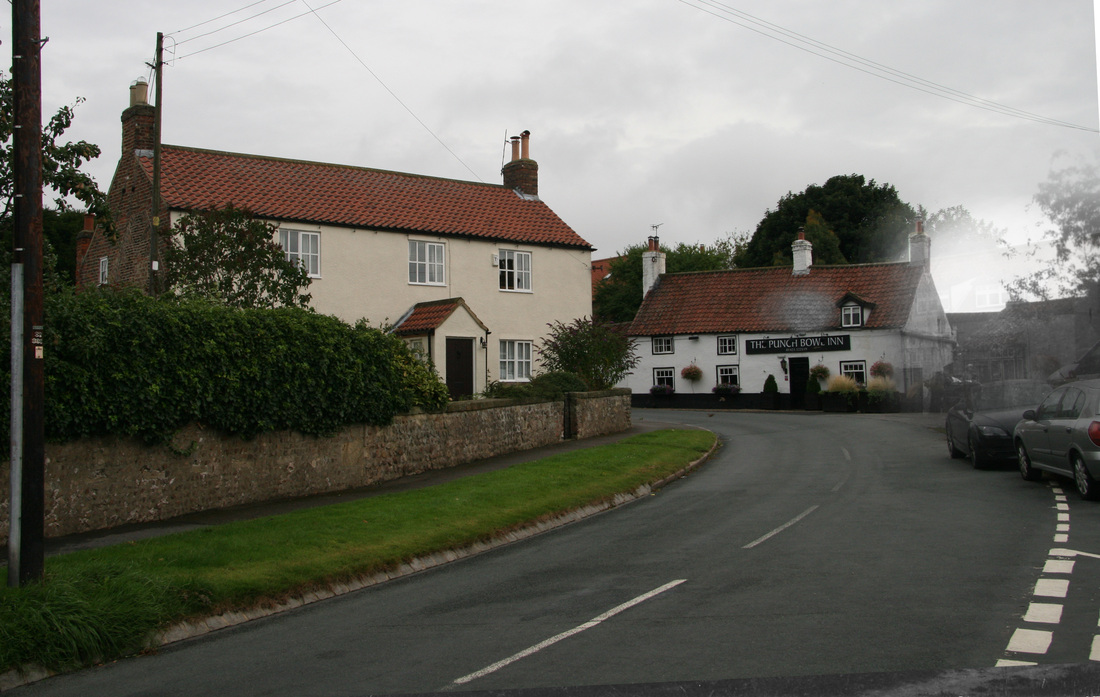
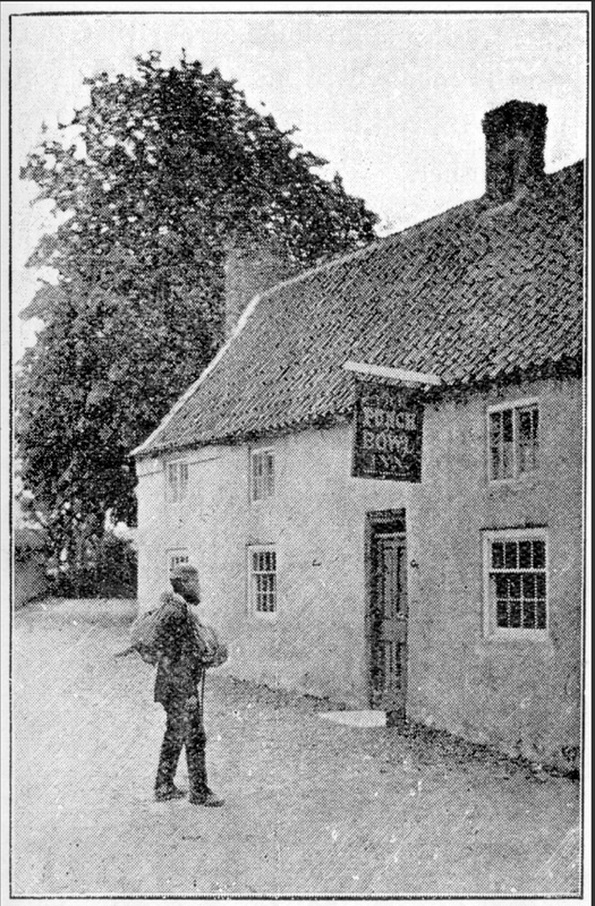
The Punch in its almost original form. The original first floor window can clearly be seen blocked up below the just built dormer window. Today there are 2 dormers (see above). Further down this page you will find a shot from 1903 showing the Punch in its original form
Also interesting to see that the extensions to both sides are not there, although there appears to be a lean to structure to the left
Also interesting to see that the extensions to both sides are not there, although there appears to be a lean to structure to the left
Grafton 1850
A common photo seen around the village
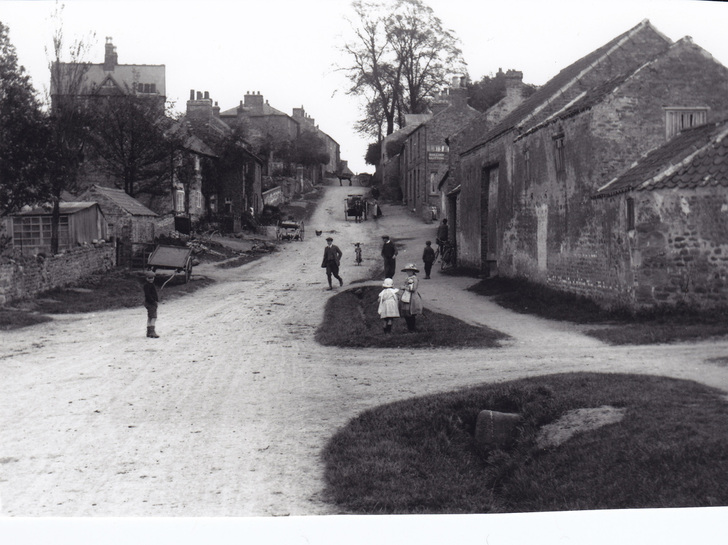
The picture above is labelled "Grafton 1850". I dont have any evidence for this, but I have rescanned it aand some more details have emerged. It has been pointed out to me that the house on the left was built in 18 which clearly dates the photo after that.
The building in the background on the right is clearly signed "Shoulder of Mutton", this being Graftons long gone Pub.
The young man in the centre of the picture is walking down the hill to the left as we look at him and appears to be walking away from what is a parked bicycle left in the middle of the road. Further up there is plenty of evidence of village life in full swing, including chickens roaming free on the viillage roads.
The roads are unmetalled: certainly an intersting challenge on cold wet winter mornings!
Surprising (for me at least) the roads are very wide with, unlike today, clear footpaths running between the houses and the road.
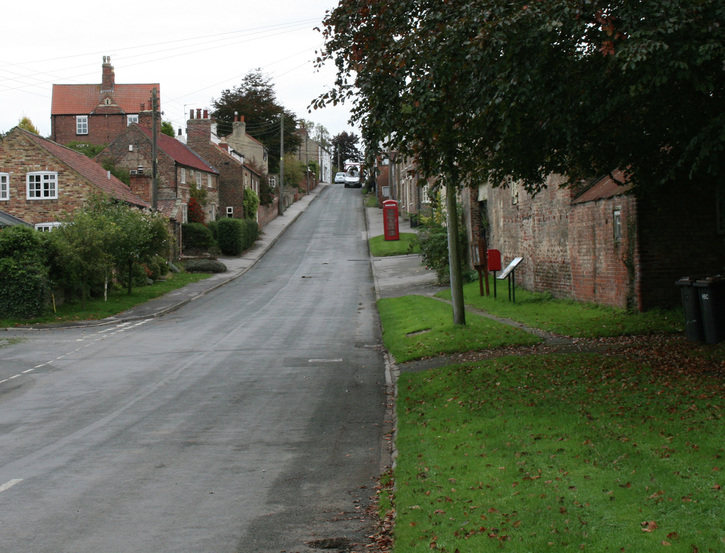
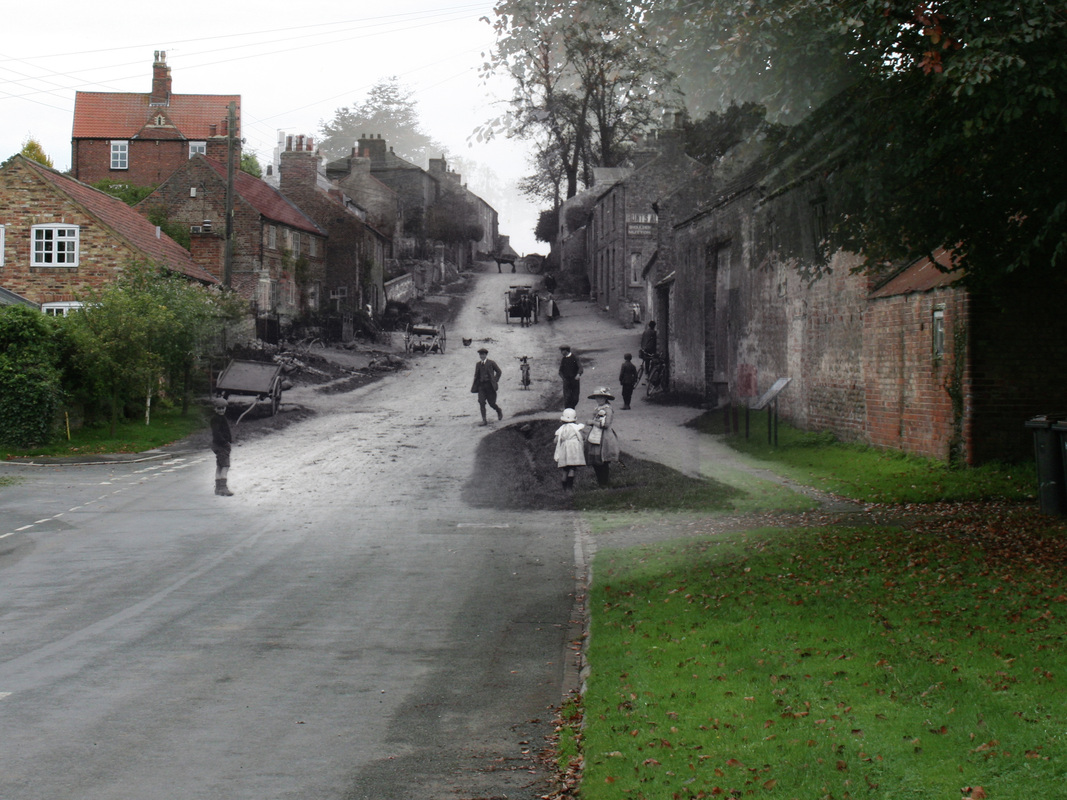
One very obvious feature which becomes more and more apparant as we look at these old pictures is how the modern gardens and trees encroach on the open aspect of the village: the buildings on the right on the old picture are very clear, but on the modern one are entirely obscured by trees.
The building in the background on the right is clearly signed "Shoulder of Mutton", this being Graftons long gone Pub.
The young man in the centre of the picture is walking down the hill to the left as we look at him and appears to be walking away from what is a parked bicycle left in the middle of the road. Further up there is plenty of evidence of village life in full swing, including chickens roaming free on the viillage roads.
The roads are unmetalled: certainly an intersting challenge on cold wet winter mornings!
Surprising (for me at least) the roads are very wide with, unlike today, clear footpaths running between the houses and the road.
One very obvious feature which becomes more and more apparant as we look at these old pictures is how the modern gardens and trees encroach on the open aspect of the village: the buildings on the right on the old picture are very clear, but on the modern one are entirely obscured by trees.
Modern View
Merged old with new
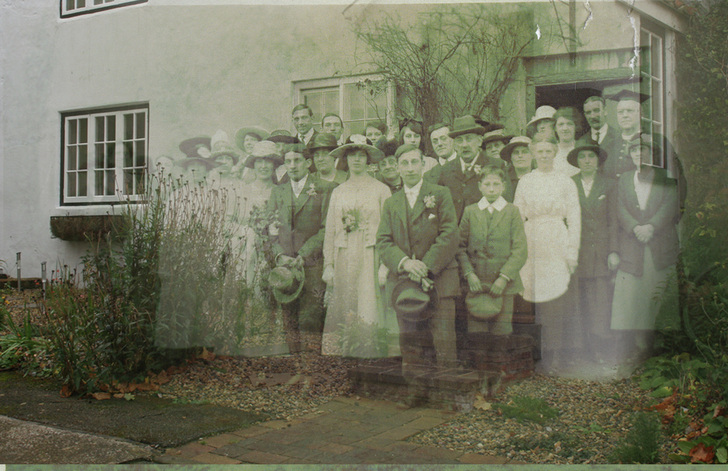
Wedding Party, Outside Ivy House, 1910
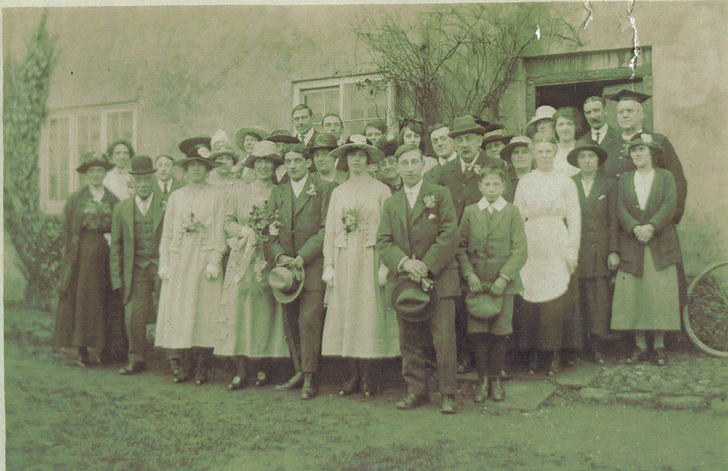
Here is the Daniel family outside Ivy House ~1910. The old chap 3rd from left is Mr J Daniel, the tenant farmer, and grandfather of our own Billy Daniels ho still lives in the village, and who kindly lent me this picture.
The Same View Today
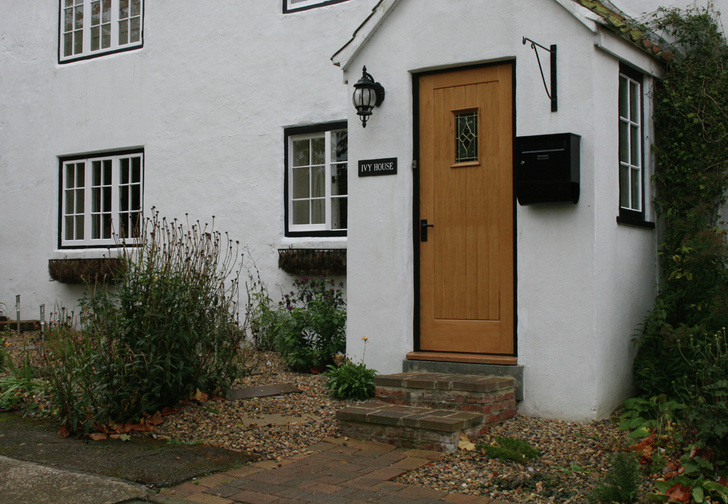
...Like They Never Left
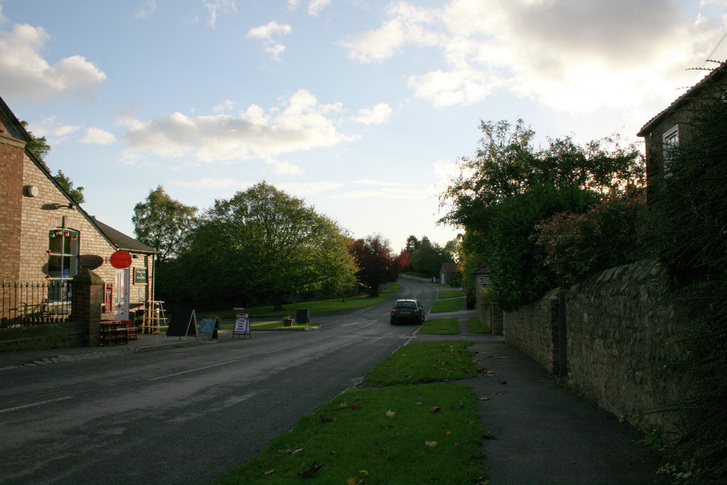
The Modern View of Marton
Merged into the Modern View
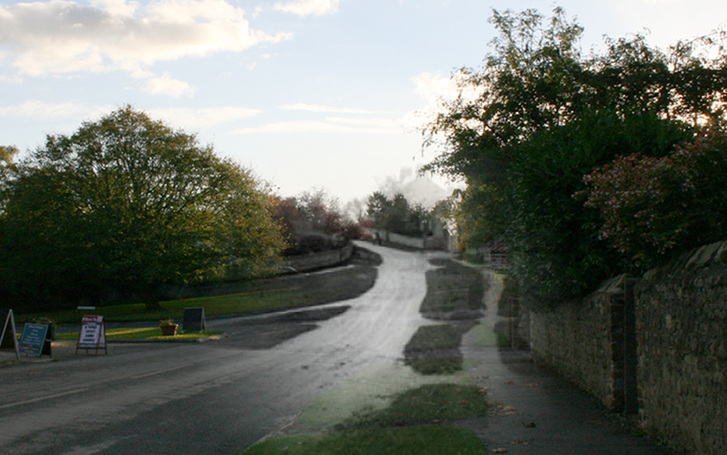
Marton towards Grafton
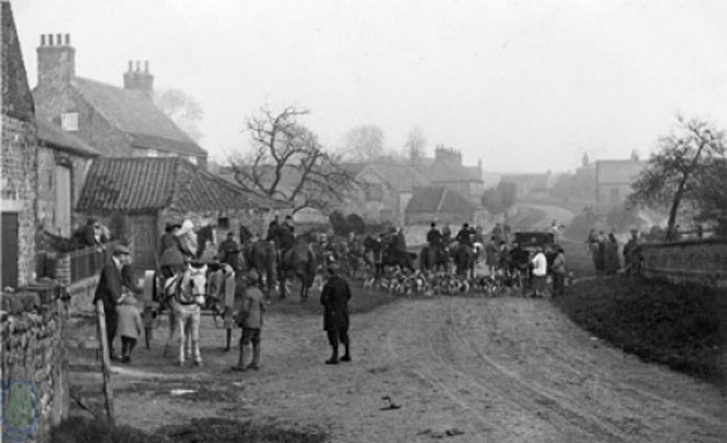
The Hunt, early 20th century
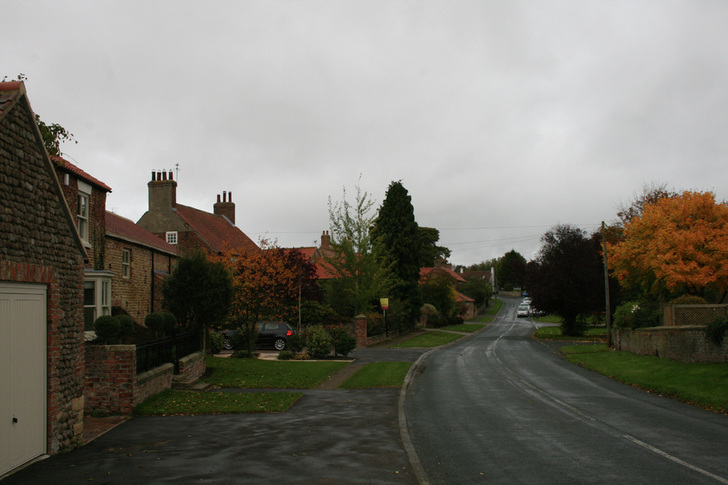
The Same View Today
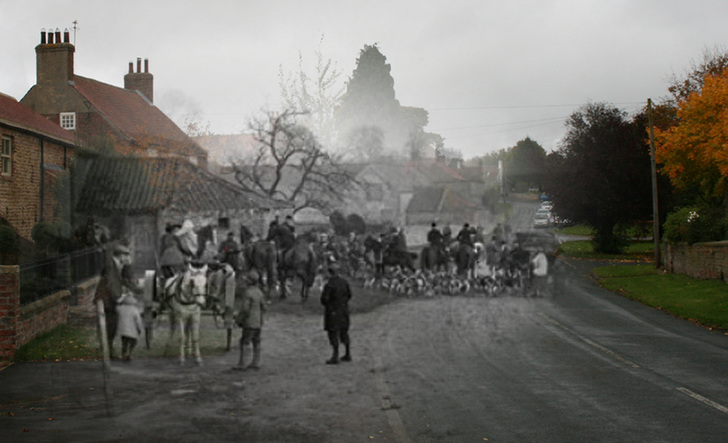
Old Merged With New
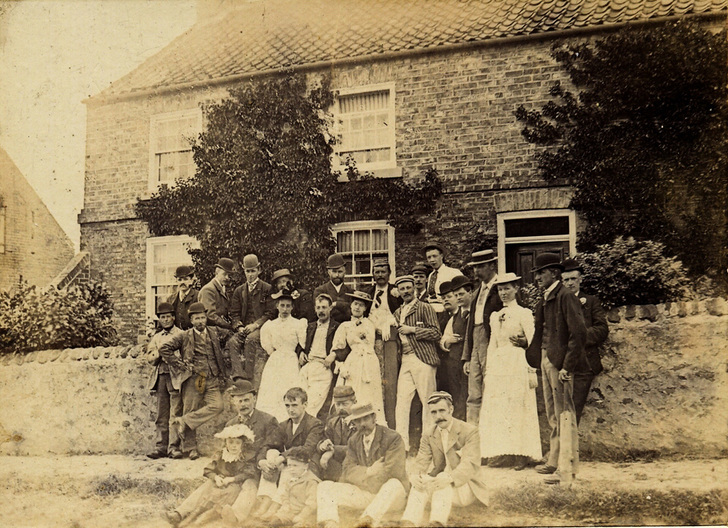
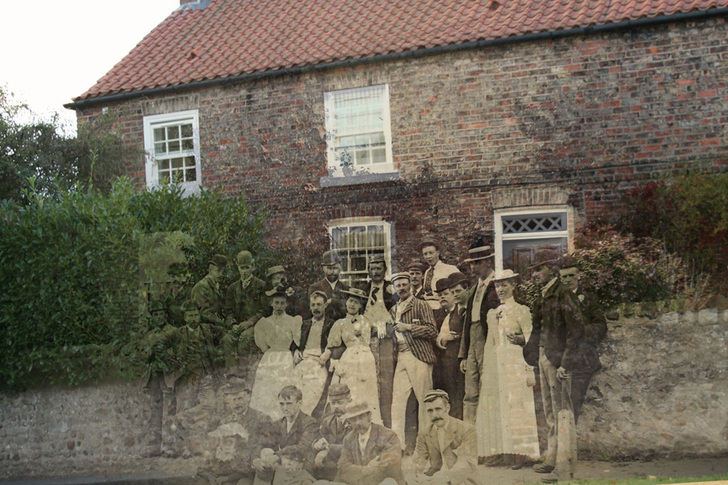
Cricket Team (And Friends) Posing Outside Town House Farm
Town House Farm Today
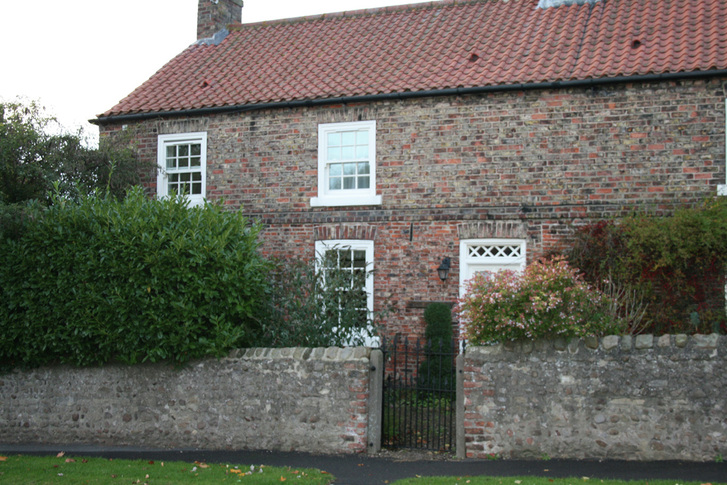
Old Combined With New
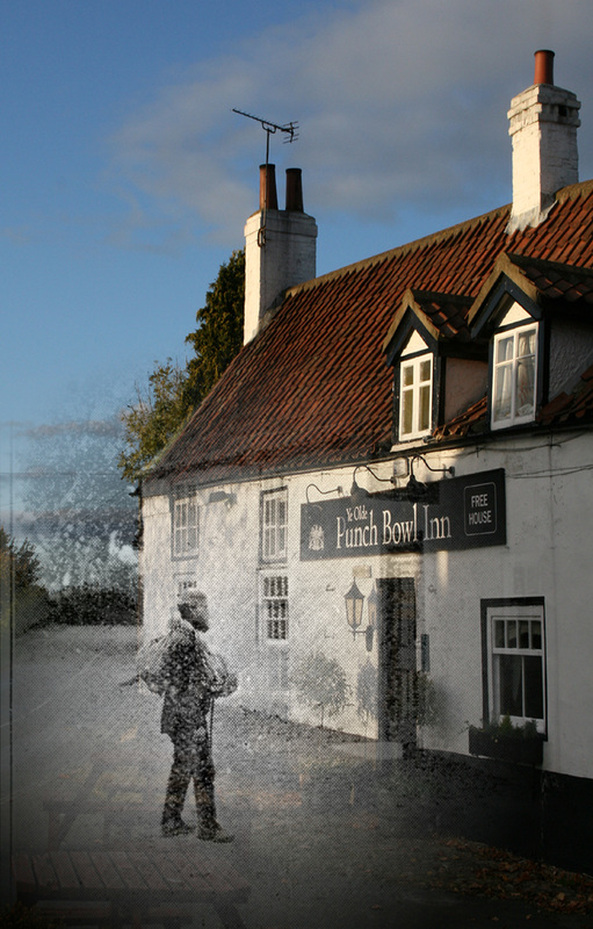
Punch Bowl About 1903
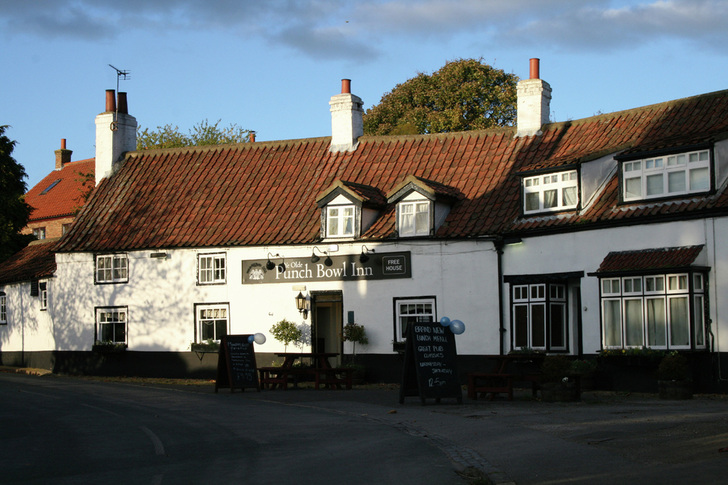
The Same Scene Today
1903 meets 2010
Another Shot of the Punchbowl Circa. 1910
It Looks Prettier in 2010..
It Is Only When the Two are Merged That the Differences are Clear